Comparing the Realistic Ways to Access tk999
There is more than one way to reach a betting platform, and the differences between those routes matter more than most people assume. For a Bangladeshi user curious about tk999, the practical question is not simply whether the platform exists, but which access method fits your device, your patience, and your tolerance for friction. The options below are laid out plainly, with honest pros and cons, so you can weigh them before deciding anything.
Before comparing routes, it helps to understand what you are actually trying to reach. tk999 is an online betting and gaming platform aimed at Bangladeshi users, offering account registration and a downloadable mobile app. It is not a physical venue, and it is not a walk-in shop. Every route below is a variation on the same underlying service, but the experience of getting there changes considerably depending on which one you pick.
Route One: Registering Directly Through the Website
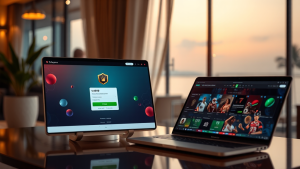
The most straightforward path is opening the official site in a mobile or desktop browser and registering there. You land on the homepage, find the sign-up option, enter your details, and you are inside the platform without installing anything. For anyone who dislikes adding apps to their phone, this is the least invasive method.
The advantages here are real. There is nothing to download, so no storage is consumed and no installation permissions are requested. If you switch between devices, a browser-based session is easy to resume. You also avoid the small delay that comes with app updates, because the website is served fresh each time you visit.
The drawbacks are equally real. Mobile browsers can be less smooth than a dedicated app, particularly on slower connections. Session timeouts happen more often, and you may need to log in again after switching tabs or locking your screen. On a low-end phone, a graphics-heavy betting interface can feel sluggish in a browser in a way it would not inside an optimised app. For occasional use, though, this trade-off is usually acceptable.
Route Two: Downloading the tk999 Mobile App
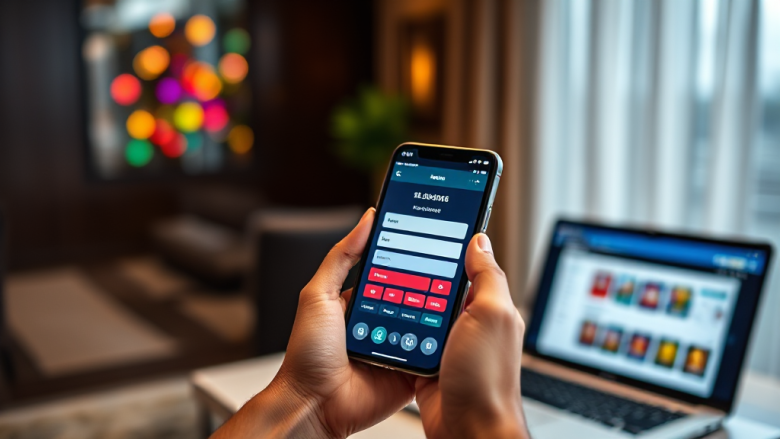
The second route is installing the app. tk999 offers a downloadable app, and for regular users this is often the more comfortable long-term option. Once installed, the interface is designed for a phone screen, navigation is faster, and the experience tends to feel more stable than a browser session.
The pros are mostly about convenience and performance. The app launches quickly, keeps you logged in more reliably, and generally handles notifications and account prompts more gracefully. If you plan to check odds or play regularly, the app usually saves time across a week of use.
The cons centre on installation and trust. You are granting an app access to your device, which is a bigger step than opening a web page. You need enough free storage, and you need to be certain you are installing the genuine application rather than a copy from an unofficial source. Updates also have to be managed, and on older Android devices a heavy app can slow the whole phone down. The app is the better fit for committed users, but it is not the better fit for everyone.
Route Three: Mobile Browser vs Desktop, and the Payment Question
Within the browser route, there is a further split between mobile and desktop. Desktop gives you a larger screen, which makes tables, odds lists and account pages easier to read at a glance. It is the better choice if you like to compare markets side by side or keep multiple tabs open. The downside is obvious: a desktop is not with you when you are commuting or away from home.
Mobile browser sits between the two. It is portable like the app but requires no installation, which makes it the natural choice for a user who wants to try the platform without committing to a download. The compromise is that everything is smaller and taps are less precise, so mistakes are easier to make on crowded interfaces.
Whichever route you choose, the payment step is where the experiences converge. Deposits and withdrawals are handled through the platform’s own cashier regardless of how you accessed it, so the method of entry does not change the financial mechanics. What it does change is how quickly you can act. An app user can complete a deposit in a few taps; a desktop user may need to find a quieter moment. If speed matters to you, that is worth factoring in before you decide.
Comparing Effort, Risk and Convenience
Laid side by side, the routes separate cleanly on three measures.
Effort: The browser route wins. There is no installation, no update cycle, and no storage cost. The app requires a one-time setup but then reduces daily effort. Desktop requires the least setup of all if you already own a computer, but the most effort to actually reach when you are out.
Risk: This is where the comparison gets more interesting. The browser route carries less device-level risk, because you are not installing anything. The app carries a slightly higher risk at the point of installation, since you must be confident about the source. Both routes carry the ordinary risks of any online account: password security, device sharing, and phishing attempts that imitate the platform. None of these are unique to tk999, but they are worth naming rather than ignoring.
Convenience: The app is the clear winner for frequent use. The mobile browser is the winner for occasional use. Desktop is the winner for detailed review sessions where you want a large screen and a stable connection.
There is no single best route, because the right answer depends on how you actually use the platform. A user who logs in twice a month gains little from installing an app. A user who checks in daily will find the browser tiresome within a week. The honest comparison is not about which method is objectively superior, but about which one matches your habits and your phone.
One point worth repeating: the access method does not change what the platform is. tk999 remains an online betting and gaming service either way, and the account, the cashier, and the rules are the same regardless of the door you walk through. Choosing a route is a convenience decision, not a decision about the product itself.
If you are still undecided, a sensible sequence is to start with the mobile browser, confirm that the platform suits you, and only then install the app if you find yourself returning often. That approach costs nothing, commits you to nothing, and gives you real information about your own usage before you make a more permanent choice. Whatever you pick, take the ordinary precautions: use a strong unique password, keep your device locked, and treat unsolicited messages claiming to be from the platform with suspicion.
The differences between the routes are modest but genuine. Effort, risk and convenience pull in slightly different directions, and the right balance is personal. Lay the options out honestly, match them to how you actually behave rather than how you imagine you will, and the choice becomes much less complicated than it first appeared.